A Europa está cada vez mais desconfortável com sua dependência tecnológica dos EUA.
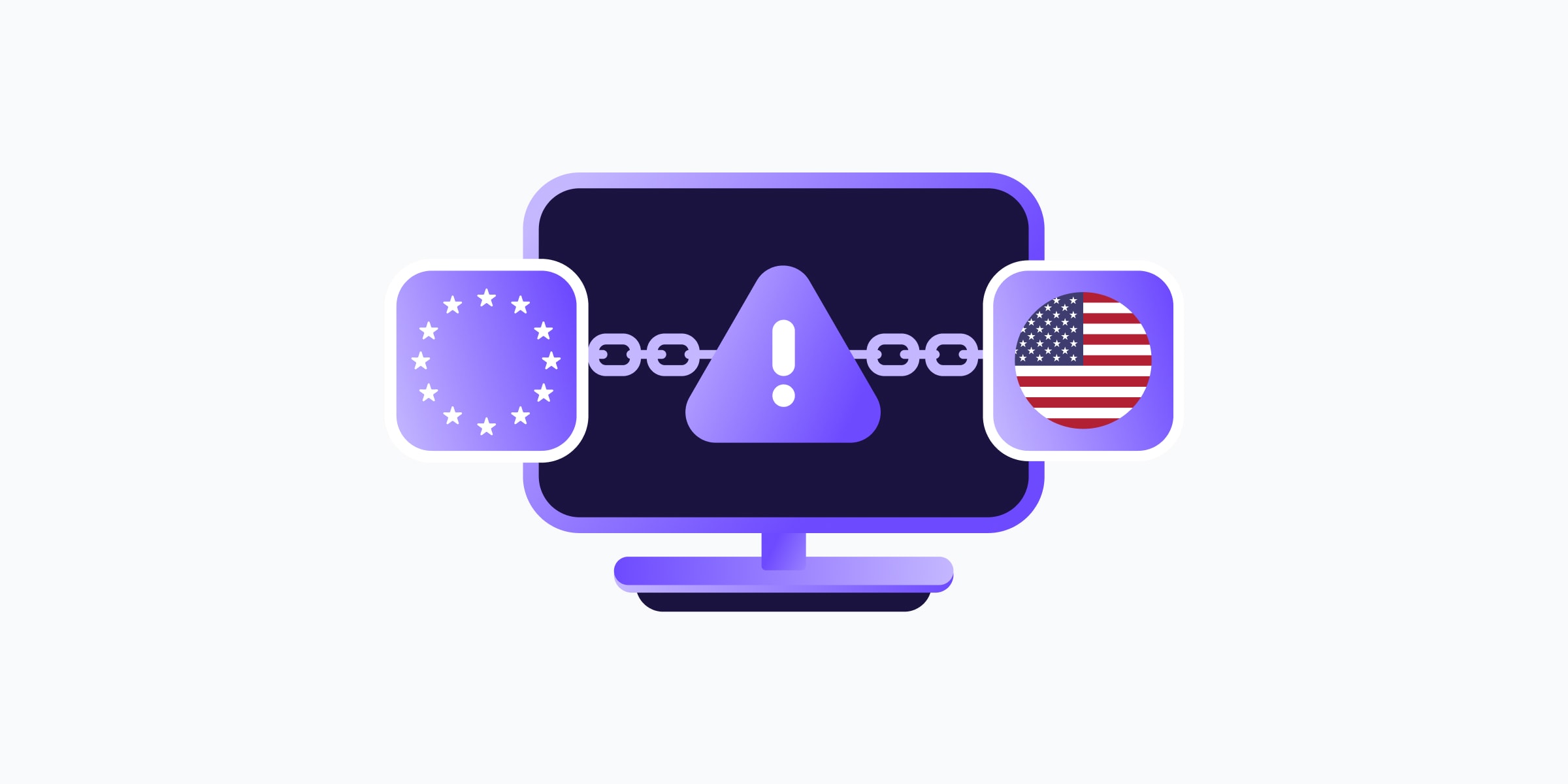
Um novo estudo da Proton revelou que até 74% dos líderes empresariais europeus têm medo de que um kill switch dos EUA corte o acesso deles à tecnologia. Os legisladores da UE estão expressando a mesma preocupação.
“Os EUA têm um verdadeiro ‘kill switch’(nova janela) sobre tecnologias essenciais e estão mais do que dispostos a usá-lo”, disse Christophe Grudler, um eurodeputado francês.
Sua colega finlandesa, Aura Salla, foi mais direta: “A Europa não pode continuar construindo sua infraestrutura de tecnologia sobre um acesso que pode ser desligado da noite para o dia(nova janela) por um governo estrangeiro. Devemos agir para reservar nossos dados e nosso mercado principalmente para a tecnologia europeia, para que ela cresça e possamos construir nossa própria IA de ponta.”
E Henna Virkkunen, vice-presidente da Comissão Europeia para soberania tecnológica, disse que a UE quer serviços e dados sensíveis controlados na Europa — sem que nenhum governo ou empresa estrangeira tenha um kill switch.
Mas o que é um kill switch tecnológico e por que os legisladores da UE estão tão preocupados?
O que é um kill switch tecnológico?
Um kill switch em um contexto político refere-se ao poder do governo dos EUA de restringir ou cortar o acesso de uma empresa estrangeira a um serviço de tecnologia.
O governo pode acionar um kill switch por meio de uma decisão do poder executivo, sem nenhuma ordem judicial ou aprovação adicional. Basta que a agência relevante exerça a autoridade que o Congresso já lhe delegou.
Do que os legisladores da UE têm medo?
Considerando a profunda dependência das empresas europeias das plataformas de tecnologia dos EUA, um kill switch representa um risco existencial. Uma pesquisa da Proton do ano passado revelou que 74% das empresas públicas europeias usam provedores de e-mail americanos.
Os medos não são teóricos. Três casos recentes mostram como isso funciona na prática:
- Controles de exportação de chips para a China. Os EUA restringem quais chips da Nvidia podem ser vendidos para a China, usando leis de controle de exportação em vez de uma lista de sanções. A Nvidia teve que projetar um chip reduzido, o H20, especificamente para se manter abaixo do limite, e até mesmo esse modelo foi alvo de mais restrições desde então. O efeito atinge todas as empresas na outra ponta da cadeia de suprimentos de chips: empresas chinesas de IA perdem o acesso à computação de ponta, e a própria Nvidia disse que as restrições lhe custaram bilhões em vendas perdidas. A restrição visa uma categoria inteira de produtos — chips acima de uma certa capacidade, destinados a um determinado destino — e todos nessa categoria são afetados de uma só vez.
- O bloqueio dos modelos Mythos e Fable da Anthropic. Em junho de 2026, o Departamento de Comércio dos EUA ordenou que a Anthropic cortasse o acesso de cidadãos estrangeiros(nova janela) aos seus dois modelos de IA mais avançados, citando regras de controle de exportação. A ordem também não nomeou um país nem um indivíduo específico. Ela atingiu todos os cidadãos estrangeiros ao mesmo tempo, incluindo em instituições aliadas na Europa. As empresas que construíram fluxos de trabalho nesses modelos perderam o acesso sem aviso prévio e sem como recorrer individualmente. Os EUA acabaram revertendo a ordem, mas o governo Trump continua a manter rédeas curtas nos modelos de IA de ponta(nova janela).
- Sanções cortando o acesso à Microsoft. Em fevereiro de 2025, os EUA impuseram sanções ao promotor-chefe do Tribunal Penal Internacional(nova janela) devido à investigação do tribunal sobre o primeiro-ministro israelense Benjamin Netanyahu. Em questão de dias, o promotor-chefe Karim Khan perdeu o acesso à sua conta de e-mail da Microsoft. Ao contrário dos casos dos chips e da Anthropic, este funcionou por meio de uma designação específica em vez de uma restrição para toda uma categoria — mas o efeito foi o mesmo: uma empresa dos EUA não teve escolha legal senão cumprir a ordem, e as operações de uma instituição internacional foram interrompidas como resultado.
Estes casos mostram como a exportação comercial da tecnologia dos EUA fica inteiramente a cargo de uma agência americana, e as empresas afetadas não têm respaldo legal para contestar.
Como um kill switch tecnológico é sequer possível?
Ele pode ser acionado rapidamente, por meio de qualquer uma das duas leis dos EUA.
- A Lei de Poderes Econômicos de Emergência Internacional (IEEPA) permite que o presidente declare emergência nacional e, com base nisso, concede ao Departamento do Tesouro a autoridade para designar uma pessoa ou entidade específica. Uma vez designada, torna-se ilegal para qualquer empresa dos EUA continuar fazendo negócios com ela — o que foi exatamente o que aconteceu quando a Microsoft cortou o acesso do promotor-chefe do TPI à sua conta de e-mail.
- A Lei de Reforma do Controle de Exportação (ECRA dá ao Departamento de Comércio autoridade para proibir que a tecnologia dos EUA alcance um destino, uso final ou categoria de usuário listada — inclusive por nacionalidade — sem nomear qualquer indivíduo. Esta é a autoridade por trás tanto das restrições de chips para a China quanto do bloqueio da Anthropic.
A IEEPA precisa de um alvo específico, mas a ECRA pode restringir toda uma categoria de usuário em uma única ação, e é por isso que a ordem contra a Anthropic atingiu todos os cidadãos estrangeiros simultaneamente, em vez de apenas uma empresa ou país.
O que a Europa pode fazer?
Em um nível macro, os líderes europeus estão focados em reduzir a própria dependência. A Lei de Desenvolvimento de Nuvem e IA da Comissão Europeia, anunciada em junho de 2026, visa colocar as cargas de trabalho sensíveis de nuvem e IA sob controle sediado na UE, em vez de depender de provedores dos EUA para isso.
Paralelamente, o Chips Act 2.0(nova janela) visa desenvolver a própria capacidade de semicondutores da Europa, para que a região não dependa da Nvidia ou de outras fabricantes de chips dos EUA para o hardware subjacente às suas ambições em IA. Ambos ainda estão a anos de mudar a dependência estrutural — a legislação sobre soberania avança devagar e a base tecnológica da Europa está começando muito atrás.
Enquanto isso, as empresas europeias não precisam esperar por Bruxelas. Escolher provedores com mais cuidado — entendendo quais serviços estão inteiramente sob o alcance legal de uma única empresa e o que acontece se esse acesso desaparecer da noite para o dia — é algo que uma empresa pode fazer hoje. O mesmo vale para o investimento em soluções europeias que mantêm dados e operações sob a jurisdição da UE, onde uma ordem executiva dos EUA simplesmente não alcança.
Quer saber mais se a Europa está preparada para uma interrupção, um ataque cibernético ou um provedor cortando o acesso sumariamente? Leia nossa pesquisa feita em vários países que perguntou a fundadores, CEOs e diretores de TI sobre os efeitos das interrupções tecnológicas nas empresas europeias.